
A Guide To Buying A Holiday Home This Summer
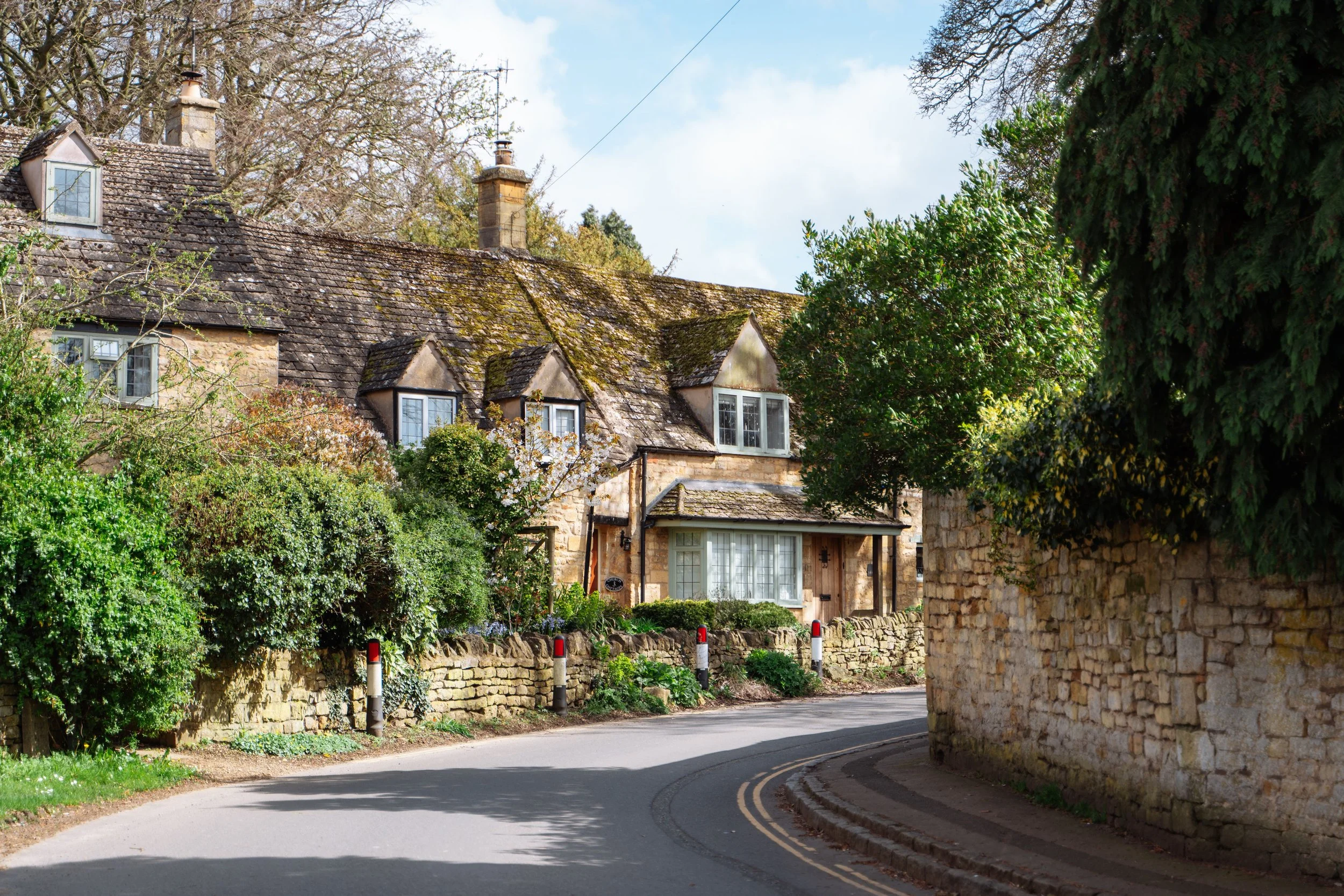
It is an easy thought to have during a British summer holiday. You may return to a location you love, spot a property for sale and start wondering whether owning your own holiday home might make sense.
For higher-value buyers, the question is rarely as simple as whether you can afford the purchase price. Investing in a holiday home is often a question of juggling existing borrowing, bonuses, investment income, business interests, and other assets. Buying a holiday home also brings additional tax, insurance and running costs that will materially affect the numbers.
On the face of it, a well-structured second home mortgage might do the job, and the right solution may come from a high street lender. Yet, it’s likely borrowers with larger loans or more complex income may also benefit from specialist support. The team at Anderson Harris have written this guide to buying a holiday home with this second category in mind.
Are Holiday Homes A Good Investment Or A Lifestyle Purchase?
The answer is possibly a bit of both. For many owners, a holiday home is first and foremost a lifestyle purchase. It gives you a base where you can enjoy spending quality time with loved ones. Depending on the location and property type, however, there may also be a potential increase in value to consider. Even if you’re not planning a money-making venture, a holiday home can prove a wise choice over the long term. Other purchasers will view a holiday home mortgage more directly as an investment by looking at lets and rentals as a way of generating income.
In both cases, it is important to include the full cost of ownership in any of the calculations you make. Mortgage repayments, tax, maintenance, insurance and property management costs can all reduce the return, while future property prices and rental demand cannot be guaranteed. For higher net worth buyers, the decision may also form part of wider financial planning. You might have significant assets you could use to raise the purchase price of a holiday home. Alternatively, you may want to structure borrowing around investments, bonuses, or other forms of income.
The starting point of any holiday home purchase discussion should always centre on what you want the property to do for you, both personally and financially. Clarity will help you make the right decisions.
What It Costs To Buy
If you’re wondering how to buy a holiday home, it is important to establish your budget in the round. If you already own your main residence, any lender will consider your existing commitments alongside the proposed new mortgage amount. However, the way lenders assess affordability can vary considerably. This becomes particularly relevant where income is not simply a fixed monthly salary.
Senior executives, financial service professionals, investors, and business owners may receive substantial annual bonuses, share awards, or other non-regular income. Some high street lenders will accommodate these circumstances, but many others may not. For larger loans or more complex cases, specialist lenders and private banks may be able to take a broader view of income, assets and overall wealth. Anderson Harris regularly arranges bonus income mortgages and self-employed loans in such cases.
Alongside the deposit and mortgage affordability, holiday home costs also include all the standard house purchase additional costs, such as;
Solicitors' and conveyancing fees
Mortgage valuation fees
Building surveys
Mortgage arrangement costs
Stamp duty or the relevant property transaction tax
Insurance
Initial repairs, furnishing or refurbishment
If you already own another property and are buying in England or Northern Ireland, higher Stamp Duty Land Tax rates for an additional property will generally apply. Scotland and Wales operate their own property transaction taxes. The amount of stamp duty involved can be significant on a higher-value purchase, so it should be factored into your available cash well before you make an offer.
Council Tax Is The Holiday Home Cost Many Buyers Miss
Purchase costs are usually front of mind, so, understandably, the local taxation position can be easy to overlook, but this would be a mistake. Many potential buyers wonder if you pay council tax on a holiday home at all, especially as you may not be a permanent resident. The answer is quite definitely yes. The charges can be substantial, particularly in areas where councils have chosen to apply higher second-home premiums to affect the local property market.
In England, councils can charge a premium on top of your council tax of up to 100% for second properties, effectively doubling the standard bill for a holiday home. In Wales, local authorities can apply premiums of up to 300% of the standard rate. Scotland has gone further by removing the previous 100% cap completely, giving councils greater flexibility over the premium they charge. The exact amount of council tax due will therefore depend on where the property is located and the decisions made by local government.
The position can differ if the property is genuinely operated as commercial self-catering accommodation. Depending on the location and how often it is available and actually let, it may fall within the business rates system rather than council tax. Some qualifying properties may also, therefore, benefit from business rates relief.
Most holiday homes will be liable for council tax at a higher rate than a primary residence. Buyers should definitely check the current position with the relevant local authority, certainly before making an offer.
Holiday Home Running Costs & Insurance
It is easy to forget that a second property creates a second set of regular bills, too. Utilities, broadband, maintenance, security, gardening and general upkeep all need to be considered. Properties that are empty for periods of time may also need extra support and checks during the winter months. Nobody needs frozen pipes or a leaking roof, so maintenance and upkeep costs are an important holiday home consideration.
Standard home insurance also may not be suitable where a property is regularly left unoccupied or used by paying guests. Specialist holiday home insurance may be required to reflect how the property is actually used. Periods of non-occupancy and commercial use may both add to your premium.
If you’re considering a second holiday home, Anderson Harris can arrange building and contents insurance alongside your mortgage, helping you put appropriate protection in place as part of the wider purchase.
Should You Let Your Second Property?
Letting your holiday home while you are not using it can appear financially attractive. It can provide an income to help cover maintenance, insurance, council tax and mortgage payments. However, it also changes the nature of the property from a lending perspective.
If you are asking whether you can get a mortgage for a holiday home investment to rent out, the answer is generally yes, but the product is almost always more complex than an owner-occupier equivalent. The distinction between a second Home Mortgage and a Buy-to-Let Mortgage therefore matters, so it is valuable to be clear about your intended use before proceeding too far with the purchase.
Before You Buy, A Quick Checklist
Knowing what to look for when buying a holiday home involves more than choosing the right property. Before making an offer, for example, it’s worth taking the following steps.
Work out affordability across your entire position. Consider both mortgages, existing commitments and the ongoing costs of the holiday home.
Consider how your income will be assessed. Bonuses, investment income, partnership earnings, company profits or other complex income sources may be treated differently by different lenders.
Get a mortgage agreement in principle before serious negotiations. This gives you a clearer view of the borrowing available and can strengthen your position with an estate agent or seller.
Factor in tax, council tax premiums and insurance. Do not base the decision on the property price and mortgage payment alone.
Decide whether you intend to let the property. This can influence the mortgage, insurance and tax treatment.
Consider lenders beyond the high street. For larger loans or more complex financial circumstances, specialist lenders and private banks may offer approaches that are not available through standard underwriting.
Speak to Anderson Harris before you make an offer. Our mortgage advisers can review your income, assets and existing commitments, explain the borrowing options available and help structure your holiday home finance appropriately from the outset.
Holiday Home Frequently Asked Questions
-
Yes. A holiday home can often be financed with a second home mortgage where the property is primarily for your own use. The lender will consider your existing mortgage, income, expenditure and wider commitments.
-
If you already own another property, a holiday home purchased in England or Northern Ireland will usually attract the higher Stamp Duty Land Tax rates for additional properties. Different property transaction taxes apply in Scotland and Wales.
-
Usually, yes. You might also be asked to pay a higher rate. In England, councils can charge a premium of up to 100% on second homes. In Wales, local authorities can apply premiums of up to 300%. Scotland has removed the previous 100% cap, giving councils greater flexibility over the premium they charge. The exact position varies locally, so check with the relevant council before buying.
-
Potentially, but this depends on the property. A conventional residential second home may subsequently become your main residence, although your mortgage lender, insurer and local authority will need to know if its use changes.
-
A holiday home can increase in value or generate rental income, but neither outcome is guaranteed. Mortgage interest, purchase tax, insurance, maintenance, council tax and management costs all affect the eventual financial return.
-
Possibly, but your mortgage needs to permit it. The level of letting may also affect your insurance and tax position. If you know you will want to generate income from the property, establishing this before choosing between a second home mortgage and a buy-to-let mortgage can avoid problems later.